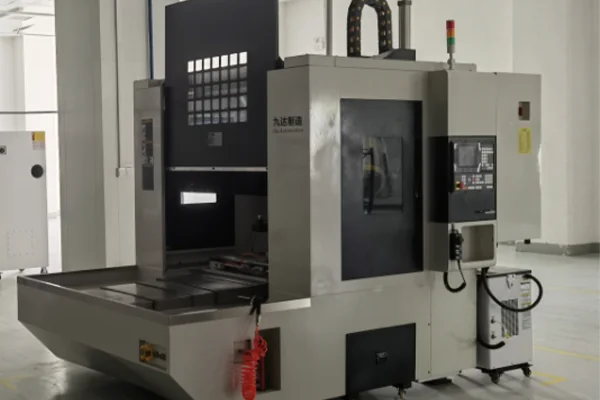
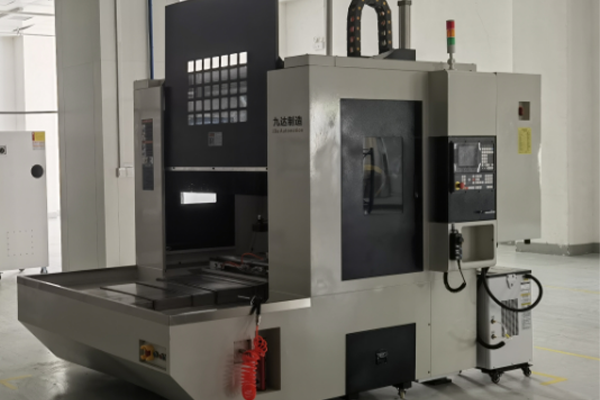
Second-generation busbar milling machine
Fixture positioning and mechanical milling for busbar connections.
Machining structure and operation
Fixtures hold the workpiece while a milling cutter removes material from busbars or connection welds along defined positions. Fixtures, tooling and cutting conditions depend on material, dimensions and connection structure.
The second-generation configuration emphasises coordinated controls and sensing, with optional CNC processing, sensors and loading equipment. Automatic or semi-automatic operation is selected around the feedstock and station organisation.
Process adjustment and maintenance
Machining settings depend on busbar thickness, weld position and permitted residual material. Speed and accuracy from one material or fixture setup should not be applied directly to another. Tool inspection, fixture cleaning and routine maintenance are included in site procedures.
The second-generation machine can be configured with tool-wear and cutting-condition monitoring, protection and emergency-stop functions. Detection methods, interfaces and cycle times are defined during selection.
Equipment photographs
Equipment selection and line enquiries
Share your battery type, processing goals and site conditions so we can assess the process.