Manual module-to-cell disassembly line
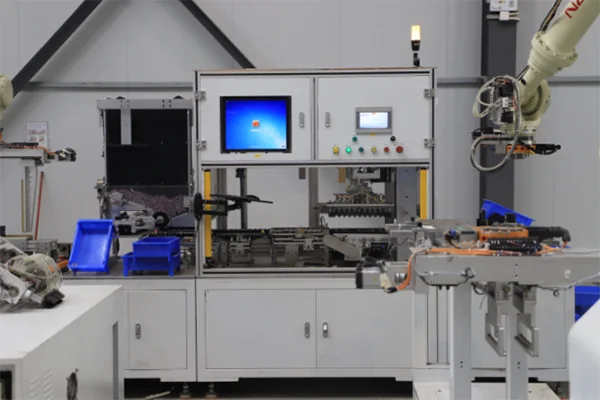
For operator-led module disassembly supported by fixtures and dedicated tools. Clamping, push-out, connector processing and cell removal stations are arranged for the module structure.
Select disassembly line configurations, from operator-assisted stations to robots and AGVs, for the feedstock, throughput and site.
The following configurations describe material transport, disassembly stations and testing. Equipment selection, automation and cycle time depend on the project feedstock and processing goals.

For operator-led module disassembly supported by fixtures and dedicated tools. Clamping, push-out, connector processing and cell removal stations are arranged for the module structure.

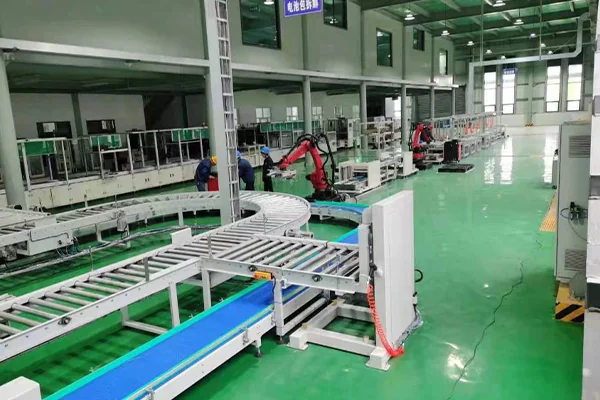
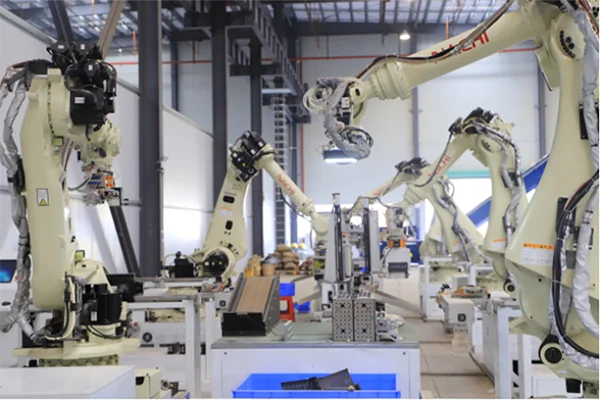
Roller-loop conveyors connect dismantling stations while robots handle transfers. Transport, disassembly and testing units are configured for the site, pack structure and processing goals.

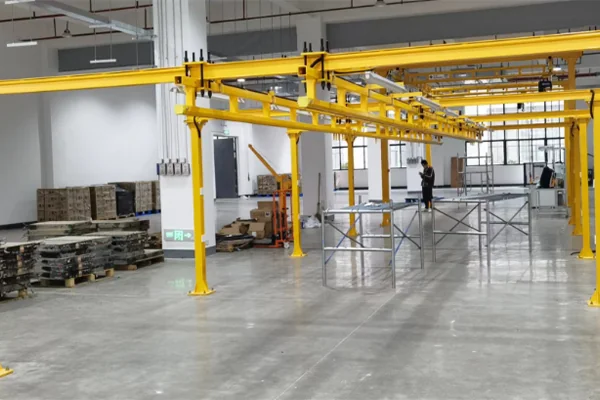
AGVs and tooling trolleys link stations, with suspended handling supporting pack disassembly. Operators and dedicated machines share tasks within a flexible layout matched to the site.

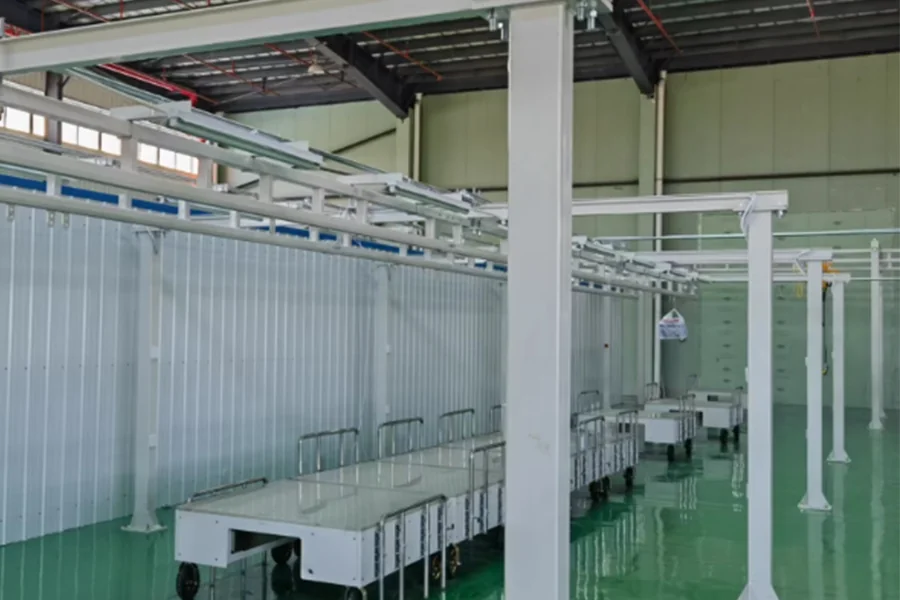
Hand-pushed tooling trolleys support material movement between suspended handling, manual disassembly and testing stations. Station counts and dedicated equipment can be configured for the required throughput.

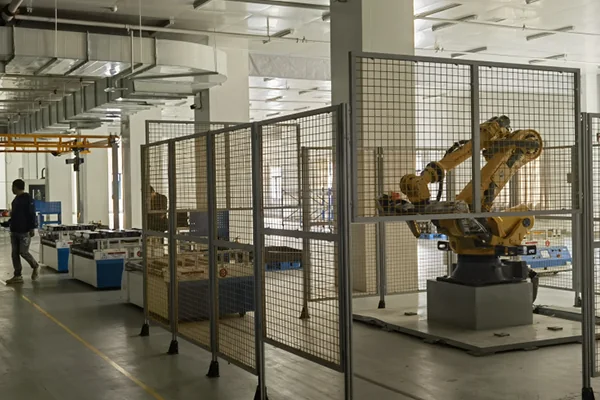
Combine robotic cover removal, AGV transport and suspended disassembly in one line. Robots handle the selected fasteners; downstream stations remove, test and collect modules or cells according to the feedstock.

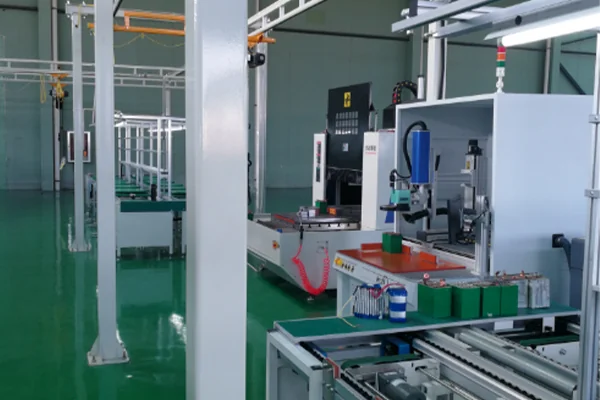
For cylindrical modules, connect loading, structural disassembly, cell separation and collection. Dismantling mechanisms and downstream handling are selected for the connections and cell condition.

Link cylindrical module disassembly to identification, testing, grading and records. Cell identity, test results and sorting destinations are associated for subsequent grouping or recovery.
Share your battery type, processing goals and site conditions so we can assess the process.